
ELECTRAGUARD.UK
Electrical Services - Domestic & Commercial
Does My Boiler Need a Point of Isolation?
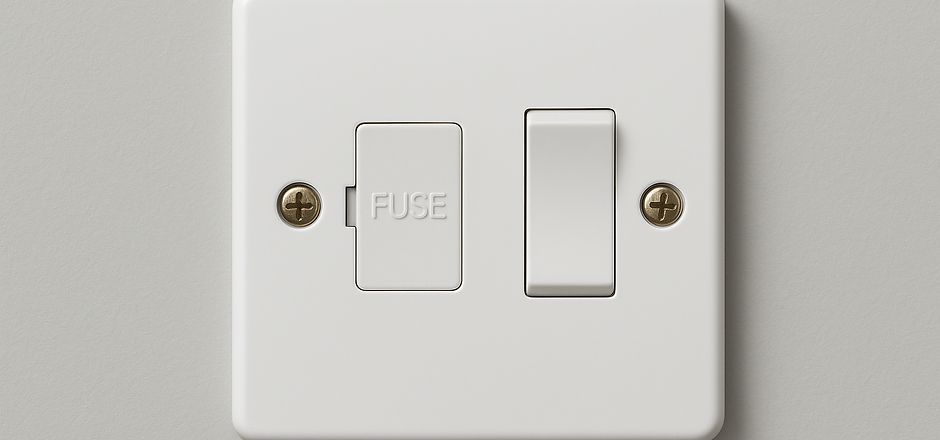
Appropriate isolation for your boiler and other water heating appliances
If you have an electric water boiler or immersion heater, you may be wondering whether it legally needs a point of electrical isolation. In the UK, having the correct isolation in place isn’t just good practice — in many cases, it’s a safety and compliance requirement.
This guide explains when a boiler needs an isolator, where it should be located, and why it’s so important.
What Is a Point of Isolation?
A point of isolation is a switch that allows the electrical supply to an appliance to be safely turned off without accessing the consumer unit. It allows engineers to work safely and gives homeowners a quick way to disconnect power in an emergency.
For water boilers, this is usually:
-A double-pole isolation switch
-Clearly labelled
-Easily accessible
Does a Water Boiler Need an Isolation Switch in the UK?
Short Answer: Yes — in most cases
Under BS 7671 (IET Wiring Regulations) and UK best practice, an electric water boiler must have a means of local isolation.
This applies to:
-Electric water boilers
-Immersion heaters
-Electric hot water cylinders
-Combination boiler electrical supplies
The isolation switch must disconnect both live and neutral conductors.
Why Is Boiler Isolation Important?
A proper isolation point is essential for:
🔧 Safe Maintenance
Engineers must be able to isolate the boiler before servicing or repairs.
⚠️ Emergency Shut-Off
If there’s a fault, burning smell, or overheating, power can be cut immediately.
🔥 Fire & Shock Prevention
Faulty boilers can draw high current. Isolation reduces the risk of electric shock or fire.
📋 Regulatory Compliance
Installations without correct isolation may fail an electrical safety inspection.
Where Should the Isolation Switch Be Located?
UK guidance recommends the isolation switch should be:
-Within 2 metres of the boiler (where possible)
-Clearly visible and accessible
-Not inside a bathroom zone (unless correctly rated)
-Labelled (e.g. “Boiler Isolator”)
Common locations include:
-Above the boiler
-Adjacent cupboard
-Kitchen wall near the appliance
What Type of Isolation Switch Is Required?
For most domestic water boilers, the switch should be:
-Double-pole
-Rated appropriately for the load (often 20A or higher)
-Installed by a qualified electrician
Fused spurs may be used in some setups, but not all boilers are suitable for fused connections — this must be assessed correctly.
What If My Boiler Doesn’t Have an Isolator?
If your boiler:
-Can only be isolated at the consumer unit
-Has no local switch
-Uses an incorrectly rated isolator
➡️ It may be non-compliant and unsafe.
Adding a proper isolation switch is usually a simple upgrade for a qualified electrician and can significantly improve safety.
Who Is Responsible for Boiler Isolation?
-Homeowners are responsible for ensuring safe installations
-Landlords must ensure compliance under electrical safety regulations
-Installers must fit isolation when carrying out new work
Failure to provide isolation could lead to insurance issues or failed safety reports.
Need a Boiler Isolation Switch Installed or Checked?
If you’re unsure whether your water boiler has the correct point of isolation, a qualified electrician can inspect and upgrade it quickly and safely.
📞 Call today for expert advice and installation
⚡ Fully qualified & insured electricians
🏠 Domestic boiler & electrical specialists
✅ BS 7671 compliant work
Our customers choose us because we’re:
-Trusted and recommended
-Local and responsive
-Qualified and insured
Call today for a free, no-obligation estimate and see why so many homeowners and businesses rate us as their go-to electrician.
15/12/2025