
ELECTRAGUARD.UK
Electrical Services - Domestic & Commercial
What is Two Way Lighting?
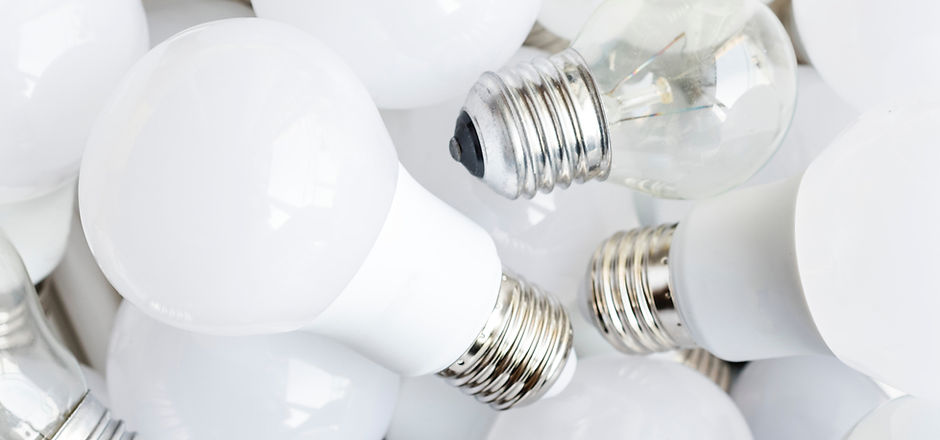
All about two way lighting switching
Lighting is more than just illumination — it’s about convenience, safety, and energy efficiency. One concept that often confuses homeowners is two-way lighting.
In this guide, we’ll explain:
-What standard lighting circuits are
-How two-way lighting works
-Where and why you might want it in your home
-Safety and compliance tips
What Is a Standard Lighting Circuit?
A standard lighting circuit typically connects one switch to one light.
-Single-way switch: One switch controls one light from one location.
-Circuit design: Usually 1.0–1.5 mm² cable, protected by a 6–10 A MCB (depending on load).
-Limitations: Only one switch can control the light, which isn’t always convenient for large rooms, hallways, or staircases.
What Is Two-Way Lighting?
Two-way lighting allows you to control the same light from two different locations.
Common examples:
-Hallways or corridors with a switch at both ends
-Staircases with a switch at top and bottom
-Large rooms with entrances on opposite sides
How it works:
-Two switches are connected in a circuit with a special two-way wiring configuration.
-Either switch can turn the light on or off, independent of the other.
This setup provides maximum convenience and avoids walking into a dark hallway.
Advantages of Two-Way Lighting
✅ Convenience: Control lights from multiple locations
✅ Safety: Avoid walking through dark hallways or staircases
✅ Energy efficiency: Easier to switch off lights when leaving a room
✅ Value addition: A well-designed lighting plan improves home usability and comfort
Energy-Efficient Lighting Tips
Even with two-way lighting, you can save energy:
-Use LED bulbs instead of halogen or incandescent.
-Choose dimmable LED lights for adaptable lighting levels.
-Install motion sensors for corridors, garages, or hallways.
-Ensure cables are correctly rated for the load to prevent overheating.
Safety and Compliance
Lighting circuits must comply with BS 7671:2018 IET Wiring Regulations. Key points:
-Use the correct cable size (usually 1.0–1.5 mm² for lighting).
-Protect circuits with a 6–10 A MCB.
-Include RCD protection for circuits in kitchens, bathrooms, or outdoor locations.
-Hire a NAPIT-registered electrician for installation or modifications, especially for two-way or multi-way circuits.
Two-way switching is simple in theory but can become tricky with multiple lights or retrofitting. Always ensure circuits are tested after installation.
Where Two-Way Lighting Works Best
-Hallways and corridors
-Staircases
-Large rooms with multiple entrances
-Kitchens and utility rooms
-Outdoor porches and entrances
Two-way lighting improves usability and safety wherever you need control from multiple points.
Our customers choose us because we’re:
-Trusted and recommended
-Local and responsive
-Qualified and insured
Call today for a free, no-obligation estimate and see why so many homeowners and businesses rate us as their go-to electrician.
05/11/2025